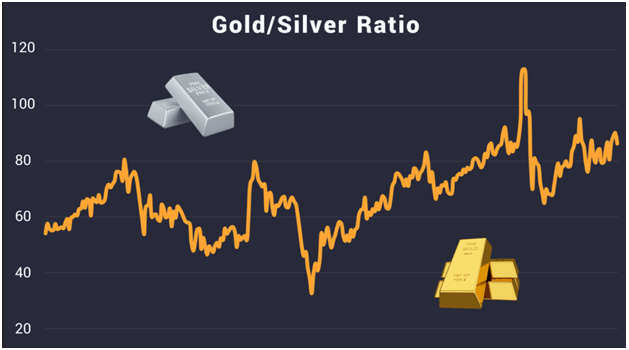
The world of investing is ever changing, and Greek traders are now getting much more discerning when it comes to treating precious metals. Whereas gold has been perceived as a symbol of wealth and financial security, silver is gradually becoming the choice in certain trade conditions. This increasing demand on silver is due to market conditions and a desire for greater flexibility, accessibility, and the future potential of traders’ portfolios.
One of the main short-term reasons silver is attractive to Greek merchants who operate with small amounts of capital and wanting to invest in the precious metals trading market without investing large sums quickly, silver offers a means of investing in the precious metals market without having to spend loads of finances. Traders can participate more actively, particularly where short-term trading or market testing is involved. The merchants are able to buy and sell periodically, diversify their portfolios and reposition products more easily than when it is expensive to purchase gold.
The other factor that has triggered interest in silver is that it is a precious metal and an industrial metal at the same time. Silver, unlike gold which is primarily used as an investment and in jewelry, is used widely in technologies such as solar panels, electronics and medical devices. This industrial demand assists in generating an alternative type of price movement driven by both manufacturing trends and investor sentiment. This is a dynamic that Greek traders are growing cognizant of, and silver as a means of capturing both economic growth and safe-haven behavior.
Precious metals trading in Greece is gradually becoming subtle with the traders considering various assets to achieve various goals. An example can be silver, which can be more attractive either when gold seems to be overbought or in periods when the industrial activity is escalating globally. These situations provide additional chances to take advantage of silver’s tendency to react more acutely to some external forces. As much as this volatility poses a risk, it also provides opportunities for higher short-term returns by those who carefully watch the market.
Silver is also attractive to the Greek traders because of its divisibility and liquidity. Some of these situations make selling parts of silver reserves to fulfill the pressing demands easier than giving away a big part of the value. This is also very helpful in a volatile economic climate in which cash flow preservation is almost as important as capital preservation. Silver is more flexible, accommodating a wider variety of strategies, such as long term hedges to trade at an event based strategy.
Digital platforms have even fanned the flame by enabling people to easily monitor silver prices, assess the world charts and place trades with ease. There is also the enhancement of learning that concerns precious metals as Greek traders now have a better understanding of weighing the advantages and disadvantages of each metal in practical conditions. Having such instruments at their disposal, an increasing number of people adapt to their timing, send market signals, and align to their financial goals.
Although in all probability gold will always be a standard in the Greek culture of investing, silver is establishing a niche. The traders are no longer relying on tradition alone and performing an analysis of both depending on which action is the best strategy to explore and which market forces are in place. By doing so they are creating more intelligent portfolios that reflect the lessons of the past and the prospects of the future. Since trading precious metals continues to develop in Greece, silver is proving to be more than just a secondary option—it is a powerful instrument for informed investors.